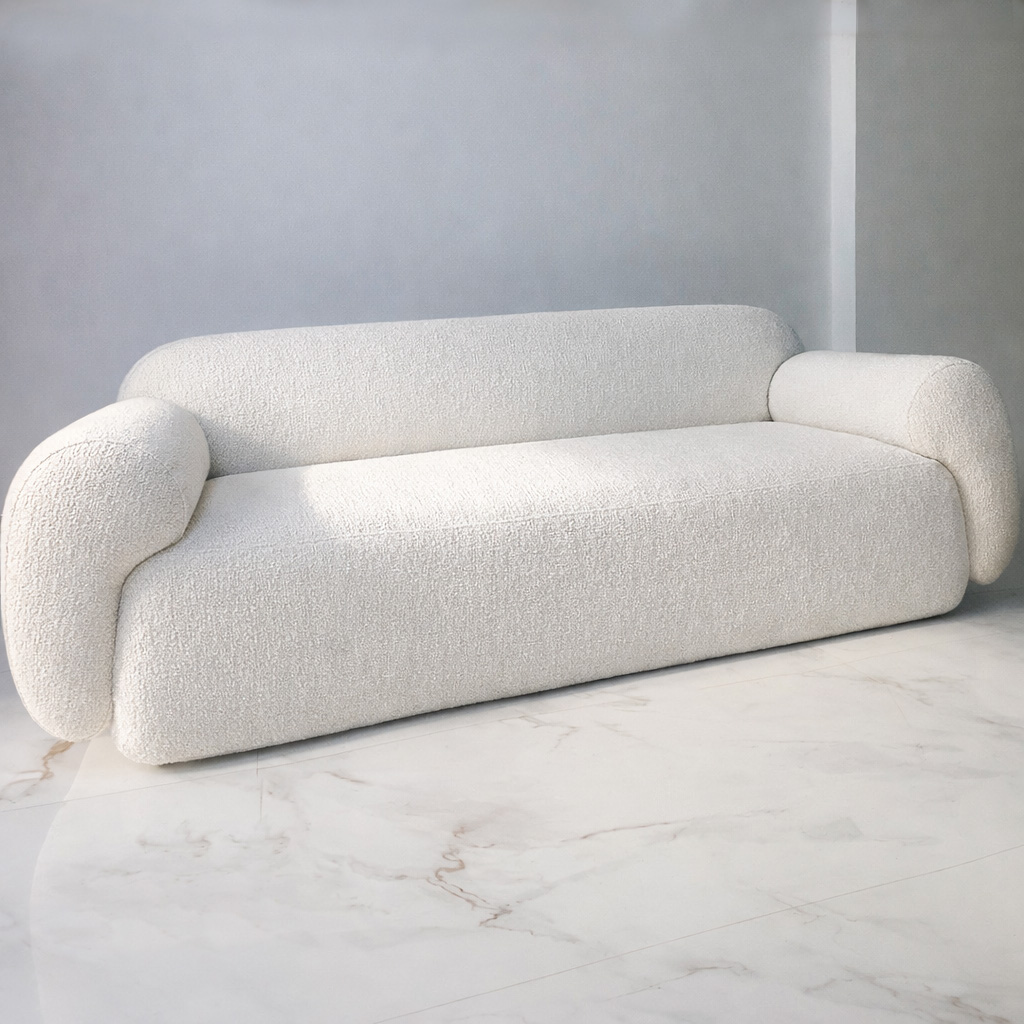

A sofa in Kolkata gets more use than almost anything else in the house. It is where the family eats in front of the television during the cricket, where guests sit through Bijoya visits, and where the afternoon nap happens. It also sits through nine humid months, a road-dust season and, in most flats, a monsoon that pushes damp through the nearest exterior wall.
Most sofa cleaning advice online is written for a dry climate and a sofa that gets moved once a decade. Here, the order you do things in matters more than the product you use. We have been building and re-upholstering sofas in this city since 1971 — more than 1,000 pieces re-covered so far — and most of the damage we see at the showroom was not caused by dirt. It was caused by the cleaning.
First, find out what your sofa is made of
Before any water touches the fabric, look under the seat cushions or on the underside of the frame for a care tag. Most branded upholstery fabrics carry a cleaning code:
| Code | What it means | What that looks like in practice |
|---|---|---|
| W | Water-based cleaning is safe | Mild soap solution, lightly applied, then blotted |
| S | Solvent-based cleaning only | No water at all — water leaves rings on these fabrics |
| WS | Either water or solvent | Start with water; use solvent only for oily stains |
| X | Vacuum or brush only | Anything more than dry cleaning needs a professional |
Many Kolkata sofas have no tag at all, usually because they were built or re-covered by a local karigar. In that case, treat the fabric as unknown and test every step on a hidden patch first — the back panel near the floor, or the underside of a cushion.
The routine that actually keeps a sofa clean
Weekly: vacuum, including the crevices
Use the upholstery attachment across every surface, then the crevice tool down between the seat and arms, where crumbs, hair and grit collect. Grit is what wears fabric thin: every time someone sits down, it grinds against the fibres from underneath. In a flat on a main road, the dust that settles on a sofa in a week is more than most people expect.
Every few weeks: flip and rotate the cushions
If the seat cushions are loose and identical, swap their positions and turn them over. The seat everyone favours — usually the one facing the television — will otherwise sag and fade years before the others.
Keep it off the wall and out of direct sun
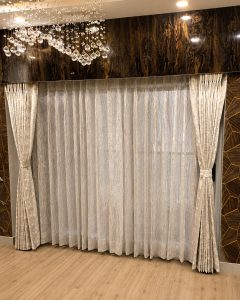
Leave a gap of a few inches between the sofa and any exterior wall. During the monsoon, a damp wall will pass its moisture straight into the back of a sofa pushed against it, and that is where mould starts, out of sight. Afternoon sun through a west-facing window will fade most fabrics within a couple of summers; a sheer curtain or a blind in front of that window protects the sofa as much as the room.
How to deal with a spill or stain
Speed matters more than technique. The steps, in order:
- Blot, never rub. Press a clean white cloth onto the spill to lift as much as possible. Rubbing pushes the liquid deeper and roughs up the weave.
- Work from the outside in. This keeps the stain from spreading into a larger ring.
- Use the mildest thing that works. For W or WS fabrics, a few drops of mild liquid detergent in a cup of lukewarm water, applied with a cloth that is damp rather than wet. Blot again with plain water, then with a dry cloth.
- Dry it fast. Point a fan at the patch. In Kolkata humidity, a patch left damp overnight can smell by morning — and on a solid-wood frame, trapped moisture is the last thing you want.
Turmeric and oil stains from food are the most common complaint we hear. Turmeric in particular sets quickly and reacts with alkaline soaps, which can turn it a darker red-brown. Blot it immediately and, if it does not lift with plain water, stop and get professional advice rather than scrubbing.
What not to do
- Do not soak the sofa. Water that passes through the fabric reaches the foam and the wooden frame, and in this climate it will not dry out properly.
- Do not use bleach or harsh disinfectants on coloured upholstery. They strip dye unevenly and weaken the fibres.
- Do not put zipped cushion covers in the washing machine unless the fabric is labelled machine-washable. Most upholstery fabrics shrink, and a cover that shrinks by even a small amount will never go back on its cushion.
- Do not iron or blow-dry velvet. Direct heat crushes the pile permanently.
Velvet, leatherette and linen: fabric-specific care
Velvet should be vacuumed in the direction of the pile and brushed lightly with a soft clothes brush to lift flattened areas. Leatherette needs only a damp cloth and mild soap; avoid alcohol-based wipes, which dry out the surface and lead to cracking. Linen and cotton blends are the most likely to show water rings, so blot to the edge of a seam rather than stopping mid-panel. Our guide to upholstery fabric in Kolkata explains how each of these behaves in humid weather, which is worth reading before your next purchase.
Signs that cleaning will not be enough
Some problems are beyond any clean. If you notice any of these, the fabric — or what is underneath it — has reached the end of its life:
- A musty smell that returns within days of cleaning, which usually means mould inside the foam
- Fabric that has gone thin, shiny or torn along the front edge of the seat
- Seats that have lost their shape and no longer spring back
- Fading across the back and arms that no clean will even out
In most of these cases, a well-built frame is still worth keeping. Re-covering it with a new fabric and replacing the foam usually costs less than a comparable new sofa and gives you a completely fresh piece. Our article on whether to re-cover or replace a sofa covers how to decide, and our sofa repair guide explains what can actually be fixed.
Frequently Asked Questions
How often should I clean my sofa in Kolkata?
Vacuum it once a week and deal with spills the moment they happen. A deeper professional clean once a year is enough for most homes; flats on busy roads, or homes with pets and young children, may want it every six months.
How do I get rid of a damp smell from my sofa during the monsoon?
Move the sofa a few inches away from the wall, run a fan across it, and sprinkle baking soda on the fabric (after testing on a hidden patch), leave it for a few hours and vacuum it off. If the smell comes back within a few days, the foam inside has probably absorbed moisture, and the cushions will need new foam or re-upholstery.
Can I wash sofa cushion covers in a washing machine?
Only if the fabric is labelled machine-washable. Most upholstery fabrics shrink, even on a cold cycle, and a shrunk cover will not zip back onto its cushion. If there is no label, have the covers dry-cleaned.
Is it cheaper to clean or re-upholster an old sofa?
Cleaning is always cheaper if the fabric and foam are sound. If the fabric is worn through, the foam has collapsed or mould has set in, cleaning will not bring the sofa back, and re-upholstering a solid frame is usually the better value than buying new.
Does Avikar re-upholster sofas?
Yes. We re-upholster sofas and chairs at our Central Avenue showroom, with a wide range of upholstery fabrics to choose from, and have re-covered more than 1,000 pieces of furniture for Kolkata homes.
Not sure whether your sofa can be saved? Bring in a photo.
Send us a picture of your sofa on WhatsApp or bring a cushion to the showroom. We have furnished more than 6,500 Kolkata homes since 1971, and we will tell you honestly whether it needs a clean, new foam, a new cover or nothing at all.
Avikar Furniture & Furnishings
46 Central Avenue, Kolkata 700012
Call or WhatsApp 8080095551
Message us on WhatsApp · Sofa upholstery · Browse sofas · Contact us